Coffee Education
Single-Origin vs. Blends: What the Difference Really Means
Daniel McNair, Head Roaster & Co-Founder · July 1, 2026
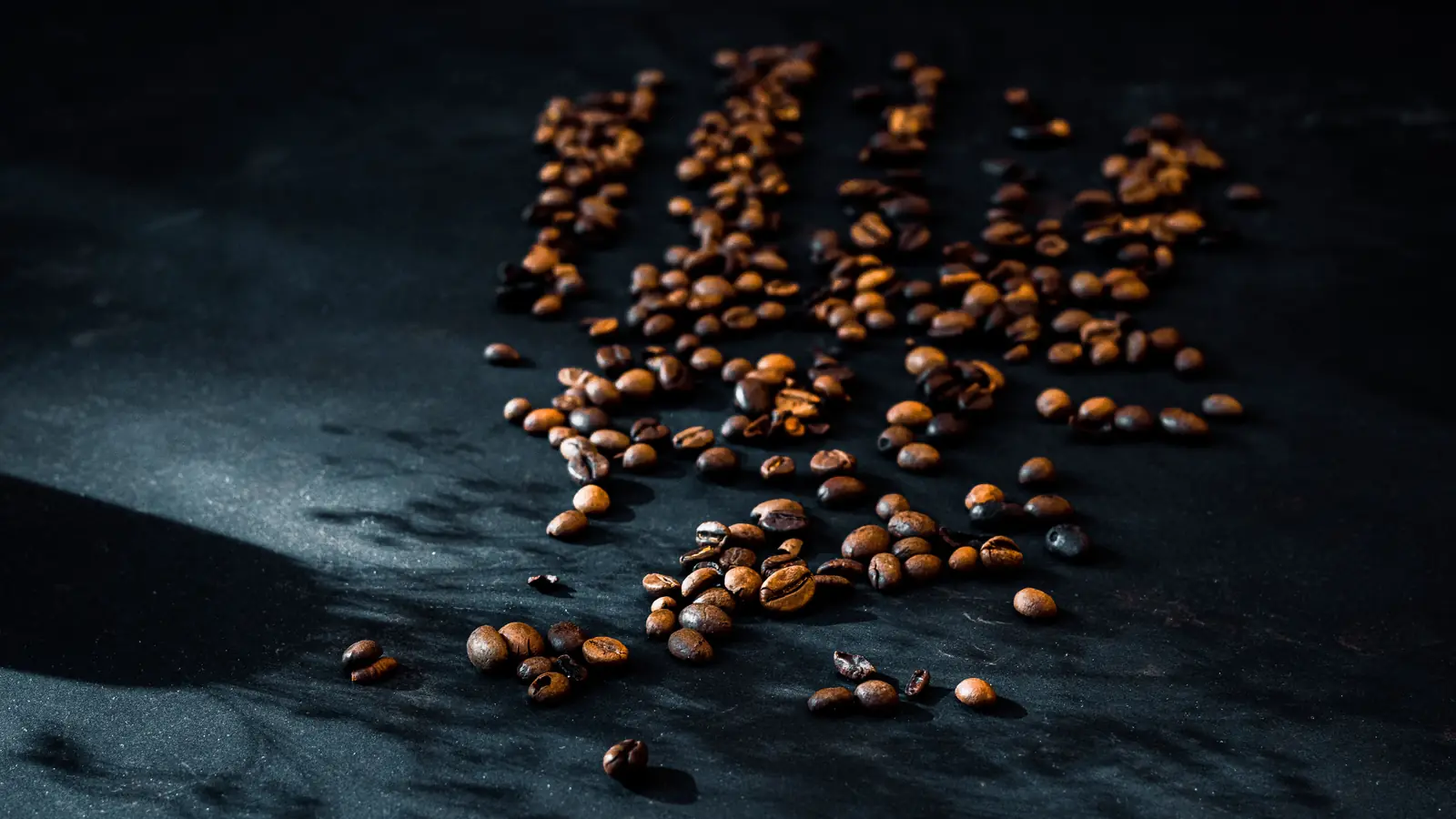
If you've shopped for good coffee, you've seen both words on the bag. Single origin. Blend. Most labels never explain the difference, so people assume one is fancy and one is cheap. That's not it at all. They're two different tools, built for two different jobs.
Here's what each one really means, the honest trade-offs of both, and why we build everything we roast around single origins.
What does single origin coffee mean?
Single origin means the coffee in the bag comes from one place. At the broad end, that's one country. In specialty coffee, the standard is tighter than that: one region, one cooperative, or even a single farm or lot, picked in one harvest season.
The point of single origin is traceability. You can follow the coffee back to where it grew. And because it grew in one place, you taste that place. The soil, the altitude, the variety of coffee plant, the way the cherries were processed after picking. All of it shows up in the cup.
That's why our five coffees taste so different from each other:
- Ethiopian Yirgacheffe comes out honey-sweet, with blueberry and a floral lift.
- Colombia Huila Organic leans bright, with orange blossom, strawberry, and almond.
- Costa Rica Las Trojas is rounder, with milk chocolate, toffee, and red apple.
- Peru Churupampa goes deeper, with dark cocoa, caramel, and ripe plum.
- Mexican MWP Decaf Organic is brown sugar, cocoa, and dried fig, with nearly all the caffeine removed and the flavor left in.
None of those notes are added or flavored. They come from the bean itself, because each one grew somewhere specific.
Single origin isn't a grade. It's an address. It tells you where your coffee is from, not how good it is.
What a blend actually is
A blend mixes beans from two or more origins to build one flavor on purpose. A roaster might combine a bright Central American coffee with a heavier South American one and a deeper bean for body. The goal is balance: a cup that's sweeter, fuller, or smoother than any single component on its own.
Blends exist for a reason, and it's a good one. They're built for consistency. A single origin changes with each harvest, since one year's weather and farming decisions are different from the next. A blend smooths that out. If one component goes out of season, the roaster swaps in a similar bean and keeps the flavor steady. That's why most house blends and espresso blends taste the same in January as they do in July.
That consistency is also why blends are the backbone of espresso and big cafe menus. Roasters can tune a blend for body, sweetness, and crema under pressure, then count on it tasting the same every day.
The honest pros and cons of each
Neither one is "better." The real question is what you're after.
Single origin is for you if you want to:
- Taste the actual character of a place
- Try something new as harvests rotate through the year
- Drink your coffee black and notice the fruit, the sweetness, the finish
- Know exactly where your coffee came from
The trade-off: a single origin can taste a little different from one harvest to the next. Most people see that as a feature. If you want the identical cup every time, it can feel inconsistent.
A blend is for you if you want to:
- Get the same flavor in every bag, all year
- Pour a balanced, rounded cup tuned for cream, sugar, or espresso
- Keep one reliable house coffee you never have to think about
The trade-off: a blend, by design, sands down the sharp edges. You gain consistency and lose some of the specific personality a single place gives you. And honestly, blending is also where some roasters hide tired or lower-quality lots, because mixing covers a lot. Not all blends do this, but it happens.
Why we focus on single origin
We roast single origin because we want you to taste the place. That's the whole point for us.
When the bean is good enough to stand on its own, you don't need to blend it into balance. You roast it carefully, get out of the way, and let one farm or co-op speak for itself. That only works when the coffee is genuinely high quality to begin with, which is why this connects directly to why specialty-grade coffee matters. A defect-free, specialty-grade bean has flavor worth highlighting. A commodity bean usually needs to be blended and roasted dark just to be drinkable.
Single origin also keeps the supply chain honest. One place per bag means there's nowhere to hide a weak lot. What you taste is what we bought, roasted in small batches right here in Arkansas, and shipped the same week it came off the roaster.
There's a deeper reason, too. The work we exist to support depends on us doing this part with integrity. We'd rather sell you one honest coffee from one real place than dress up something average. More on that in our story.
How to choose your next bag
You don't have to pick a side. Plenty of people keep a steady house coffee and reach for single origins when they want something different. Since everything we roast is single origin, here's a simple way to start:
- Want bright and fruit-forward? Start with the Ethiopian Yirgacheffe or the Colombia Huila Organic.
- Want sweet, chocolatey, and easy? Go with the Costa Rica Las Trojas or the Peru Churupampa.
- Want all the flavor without the caffeine? The Mexican MWP Decaf holds up against any of them.
Brew them like you'd brew any specialty coffee: a ratio around 1 part coffee to 15 to 17 parts water by weight, with water between 195 and 205 degrees. If you want to dial it in, our pour-over guide walks through it step by step.
Then taste two side by side. That's when single origin clicks. Brew the Ethiopia next to the Peru and the difference is impossible to miss. One place tastes like blueberry and honey, the other like dark cocoa and plum, and both were just coffee and hot water.
Try a few origins
The best way to understand single origin is to drink a few of them back to back. You can grab single bags from the shop, or put it on autopilot with a monthly subscription that saves 10%. Every bag ships the same week it's roasted, and you can pause or cancel anytime.
When you buy from us, your purchase also helps fund Gospel outreach to people who have never heard the Good News. Good coffee from one real place, doing real good. That's the whole idea.
Common questions
What does single origin coffee mean?
Single origin means the coffee comes from one place, usually a single farm, cooperative, or region, harvested in one season. It's traceable back to where it grew. That's different from a blend, which mixes beans from several origins to build one consistent flavor profile.
Is single origin coffee better than a blend?
Neither is better. They're built for different goals. Single origins show off the character of one place and change with each harvest. Blends are engineered for a steady, balanced cup that tastes the same all year. The right choice depends on whether you want to taste a place or want consistency.
Is single origin coffee better for espresso?
Both work. Blends are traditional for espresso because roasters tune them for body, sweetness, and crema under pressure. But plenty of single origins make excellent espresso, especially medium roasts. Many single origins pull a clean, sweet shot. It comes down to taste.
Does single origin coffee taste different each year?
It can. Because a single origin comes from one place and one harvest, weather, processing, and farm decisions in a given year show up in the cup. That variation is part of the appeal. A blend smooths those shifts out so the flavor stays steady season to season.
Which KCR coffees are single origin?
All of them. We roast five single origins: Colombia Huila Organic, Costa Rica Las Trojas, Ethiopian Yirgacheffe, Mexican MWP Decaf Organic, and Peru Churupampa. Each comes from one country, with its own tasting notes, so you can taste the difference from bag to bag.