Coffee Education
Light Roast vs. Dark Roast: Caffeine, Flavor, and the Myths
Daniel McNair, Head Roaster & Co-Founder · June 30, 2026
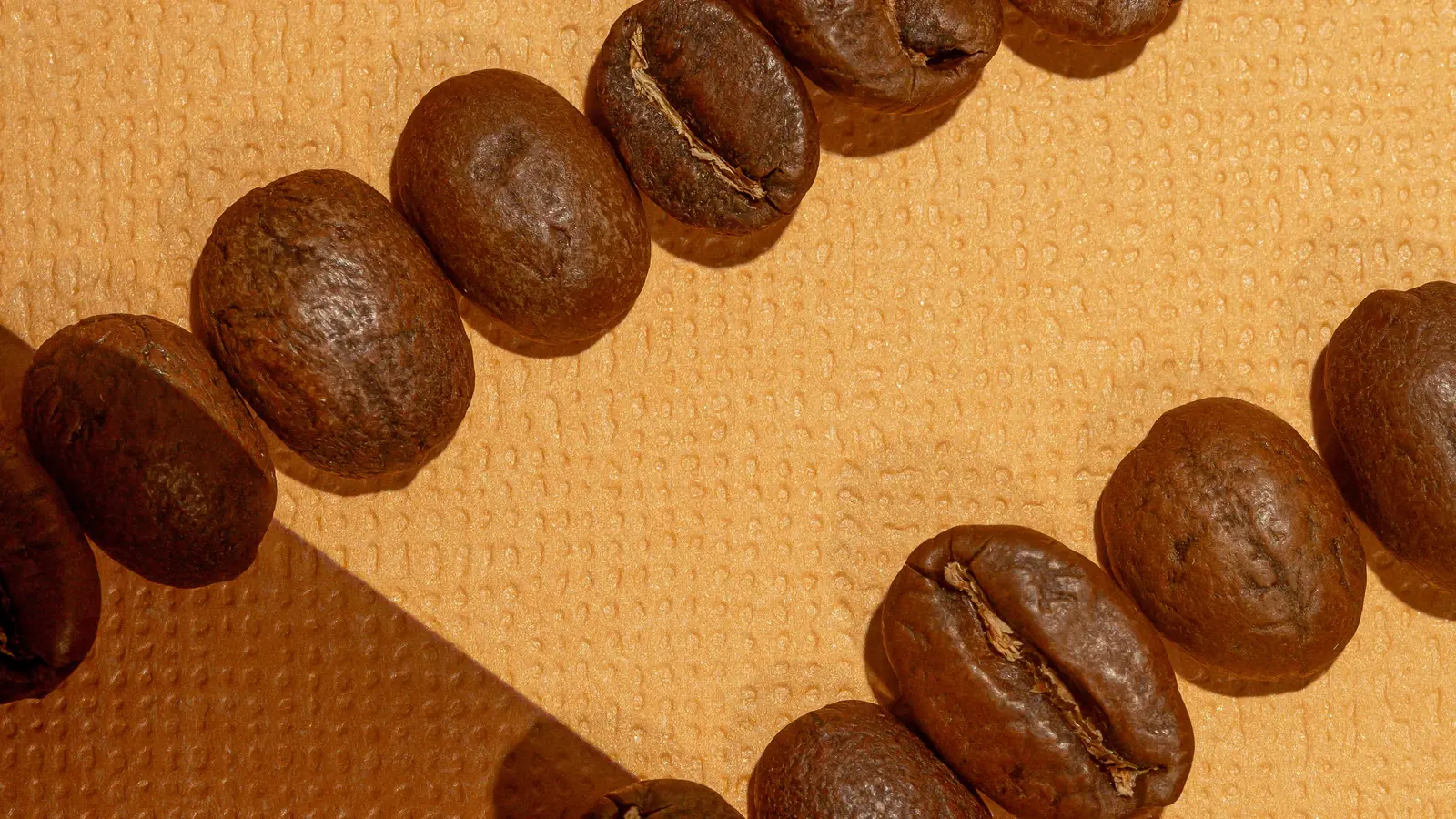
Someone always brings it up at the counter. "Light roast has way more caffeine, right?" It is one of the most repeated lines in coffee, and it is mostly wrong. The truth is smaller and more interesting than the myth, and it depends almost entirely on how you measure your coffee.
Light roast vs dark roast caffeine: the short answer
Caffeine is tough. It survives the roast. When green beans go into the roaster, the caffeine inside them barely changes whether we pull the batch early for a light roast or take it longer for a dark roast. So the idea that dark roasting "burns off" the caffeine is a myth. So is the flip side, the idea that light roast is a caffeine bomb next to dark.
Here is where it gets precise. Roasting does change the bean itself. Beans lose moisture and physically puff up the longer they roast. A dark-roasted bean is bigger and lighter than the same bean roasted light. The light-roasted bean is denser. That density is the whole reason this argument exists, and it cuts two ways depending on whether you weigh your coffee or scoop it.
Caffeine doesn't burn off in the roaster. What changes is the bean's weight and size, and that's what trips people up.
Why the myth flips on you: by weight vs. by scoop
Caffeine in your cup tracks the dose of ground coffee you brew. Measure that dose two ways and you get two answers.
- By weight (using a scale). Light-roasted beans are denser, so a gram of light roast holds slightly more bean matter, and slightly more caffeine, than a gram of dark roast. By weight, light roast edges out dark. The gap is small.
- By scoop (using volume). Dark beans are bigger and puffier, so fewer of them fit in a tablespoon. A scoop of dark roast packs less actual coffee than a scoop of light roast. By volume, light roast wins by a wider margin, because you are quietly under-dosing the dark.
So the popular claim, "light roast has more caffeine," lands close to true, but for the unglamorous reason that you tend to pack more coffee into the same space. It is a measurement story, not a chemistry story. The difference between roasts is modest either way. What actually moves caffeine in your cup is the dose, the bean, and the brew method, not the color of the roast.
This is the best argument we know of for putting a small kitchen scale next to your kettle. Weigh your coffee and the roast-level guessing game disappears. You get the same dose every morning, light or dark. A good starting point for most brews is a ratio around 1:15 to 1:17, coffee to water by weight.
What actually changes caffeine more than roast does
If you care about caffeine, stop staring at the roast and look at these instead.
- The dose. More ground coffee means more caffeine. This is why scooping throws people off.
- The bean. Robusta beans carry far more caffeine than arabica. We roast arabica, which is the specialty standard, so our coffees sit in a normal, predictable range.
- The brew method. A long steep like cold brew pulls a lot of caffeine. An espresso shot is concentrated but small. Drip and pour-over land in the middle. The per-cup math surprises people more than roast level ever will.
- Decaf, if you want to skip it. Our Mexican MWP Decaf Organic uses a water-based process, so you keep the flavor (brown sugar, cocoa, dried fig) and lose almost all the caffeine. Caffeine is a stimulant, so decaf is the easy way to enjoy a late cup.
Flavor is the real reason to pick a roast
Caffeine is a near-tie. Flavor is not. This is where the choice actually matters, and where a roaster's opinion is worth something.
What light roast tastes like
A light roast stops before the roasting flavors take over, so you taste the bean and the place it came from. Lighter roasts run brighter and more acidic, with fruit, floral, and tea-like notes. The origin shows through clearly. Done well, a light roast is the most honest picture of what a coffee actually is.
Our Colombia Huila Organic is a good example: orange blossom, strawberry, almond. It reads clean and a little sweet. The Ethiopian Yirgacheffe, which we offer light and medium, leans honey and blueberry with a floral lift. Light roasts shine in a pour-over, where the method gives those delicate notes room to show up. If you brew that way, our pour-over guide walks through the whole thing.
What dark roast tastes like
A dark roast goes longer, so the roasting itself becomes the flavor. You get bolder, heavier notes: dark chocolate, toasted nuts, a touch of smoke or caramel. The origin character fades into the background and the roast character steps forward. Dark roast holds up to milk and reads rich and low-toned. If you grew up on a classic, full-bodied cup, this is the comfort zone.
And the middle ground
Most people, honestly, land at medium. It keeps some origin character while adding body and an easygoing sweetness. Our Costa Rica Las Trojas sits right there with milk chocolate, toffee, and red apple. The Peru Churupampa brings dark cocoa, caramel, and ripe plum. Medium is the roast that pleases the most cups at the table.
So which roast should you choose?
Forget caffeine. Choose by what you want to taste.
- Pick light if you want bright, fruit-forward, origin-driven coffee, especially for pour-over or other manual brewing. Start with the Colombia Huila or the Ethiopian Yirgacheffe.
- Pick dark if you want bold, rich, low-toned coffee that stands up to cream and reads as classic and comforting.
- Pick medium if you want the crowd-pleaser that balances both. The Costa Rica Las Trojas and Peru Churupampa live here.
- Pick decaf if you want the cup without the caffeine. The Mexican MWP Decaf does that without tasting hollow.
We roast every coffee we offer in light, medium, or dark, so you are never stuck choosing between the bean you like and the roast you like. Pick the origin first, then tell us how dark to take it.
One thing that beats roast level every time: freshness
Here is the quiet truth behind all of it. A fresh medium roast will out-taste a stale light roast every single morning. Roast level is a preference. Freshness is the floor. If your coffee has been sitting on a shelf for months, the roast-level debate is moot, because the aromatics that make any roast worth drinking are already gone. Most drip coffee tastes its best somewhere in the first few weeks off the roaster. We cover this in fresh-roasted vs. grocery-store coffee if you want the full picture.
That is why we roast small-batch here in Arkansas and ship the same week we roast. You get coffee that is days off the roaster, not months, and you get to taste the actual difference between a light and a dark, the way it is supposed to come through.
If you want to settle the light-versus-dark question for yourself, the simplest move is to taste them side by side, fresh. Start a coffee subscription and try a light one month, a dark the next, and find your roast honestly. A subscription saves you 10%. You can pause or cancel anytime. Or grab a single bag from the shop and start brewing this week. Every bag you buy helps fund Gospel outreach to people who have never heard the Good News, which is the reason we roast in the first place.
Common questions
Does light roast have more caffeine than dark roast?
Slightly, and mostly because of measuring. Caffeine survives roasting, but dark beans puff up and weigh less. Measured by weight or by scoop, light roast edges out dark because you pack more bean matter into the same dose. The difference is small.
Does dark roasting burn off caffeine?
No. Caffeine is stable at roasting temperatures, so it does not burn off when beans are roasted dark. A dark-roasted bean has nearly the same caffeine as the same bean roasted light. The bean just loses moisture and gets bigger and lighter.
Why does my dark roast seem weaker?
Strength is usually about flavor and dose, not caffeine. If you scoop your coffee, dark beans are bigger, so fewer fit in a scoop and you under-dose. Weigh your coffee on a scale and the difference between roasts mostly disappears.
Which roast should I choose for flavor?
Choose by taste, not caffeine. Light roasts are bright and fruit-forward and show the origin, like our Colombia Huila. Dark roasts are bold and rich with chocolate and toasted notes. Medium balances both. We roast every coffee in light, medium, or dark.
Does brew method change caffeine more than roast level?
Yes. Brew method and dose move caffeine far more than roast color does. A long steep like cold brew extracts a lot, espresso is concentrated but small, and drip lands in the middle. The amount of coffee you use matters most of all.